
This master's doesn't end with an exam. It ends at the table.
Indirect personality profiling, applied bias as strategy, credibility assessment under pressure, and a capstone where you negotiate guided cases against an artificial intelligence playing the other side.
Negotiation isn't instinct.
It's a behavioral system: you diagnose before you walk in, you design, and only then do you execute.
Four layers before the conversation begins
The order isn't decorative. Each layer depends on the one before it: you can't design a strategy around someone you haven't profiled, or read credibility without knowing what you expected to hear.
You profile the person, not just the file
Indirect personality profiling: how they decide, what pressures them, what makes them concede and what makes them dig in, built from what is observable. Including the distinction that moves the most money at any table: what they say they can't do versus what they genuinely can't do.
You turn bias into a design decision
Framing, anchoring, loss aversion and identity signals stop being academic curiosities. They start determining what you put on the table first, how you present it and in what order you concede.
You assess credibility under pressure
Statement analysis and behavioral indicators to spot inconsistencies and pressure points while the conversation is still happening. With the limits stated plainly: no behavioral tool determines whether someone is lying, it only tells you where to dig.
You compare strategies and test them
A comparative review of approaches — distributive, integrative, conflict management, mediation — so you choose based on the situation in front of you, rather than defaulting to the same one out of habit.
Practice Your Negotiation
The program closes with a course of guided cases in which you negotiate against an artificial intelligence playing the other side: with its own interests, its resistance and its way of applying pressure. Commercial negotiation, internal conflict, high-pressure situations. And the option to run the same case again with a different strategy — exactly what professional life never lets you do.
The simulator is a teaching tool within the program's capstone course. It does not replace a human negotiator or faculty supervision.
The next group starts on 31 August.
After that date, the next intake is not immediate.
Who teaches it
Behavioral psychology, negotiation, law-enforcement analysis, behavioral economics and executive leadership. The emphasis is applied and case-based.


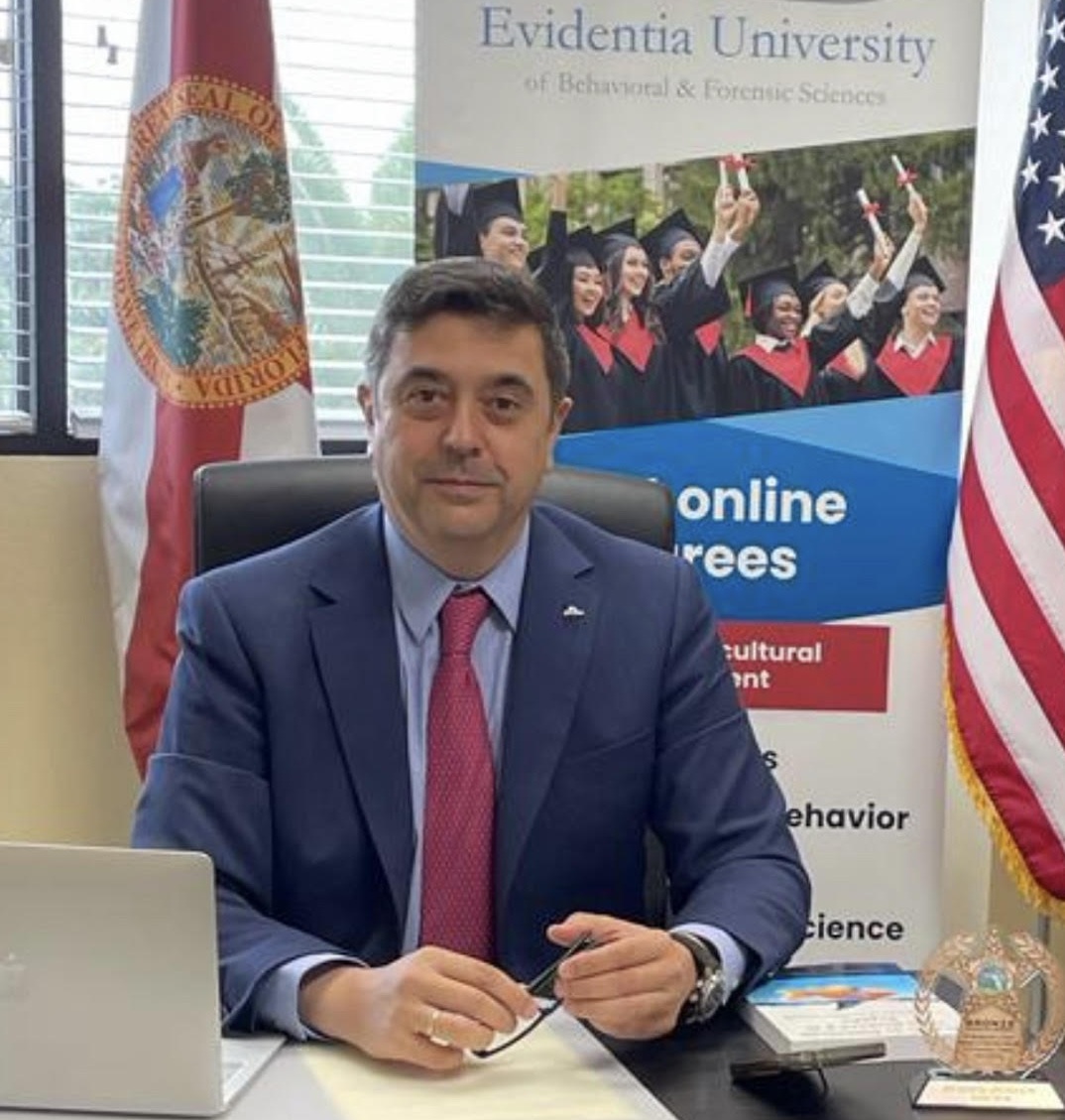
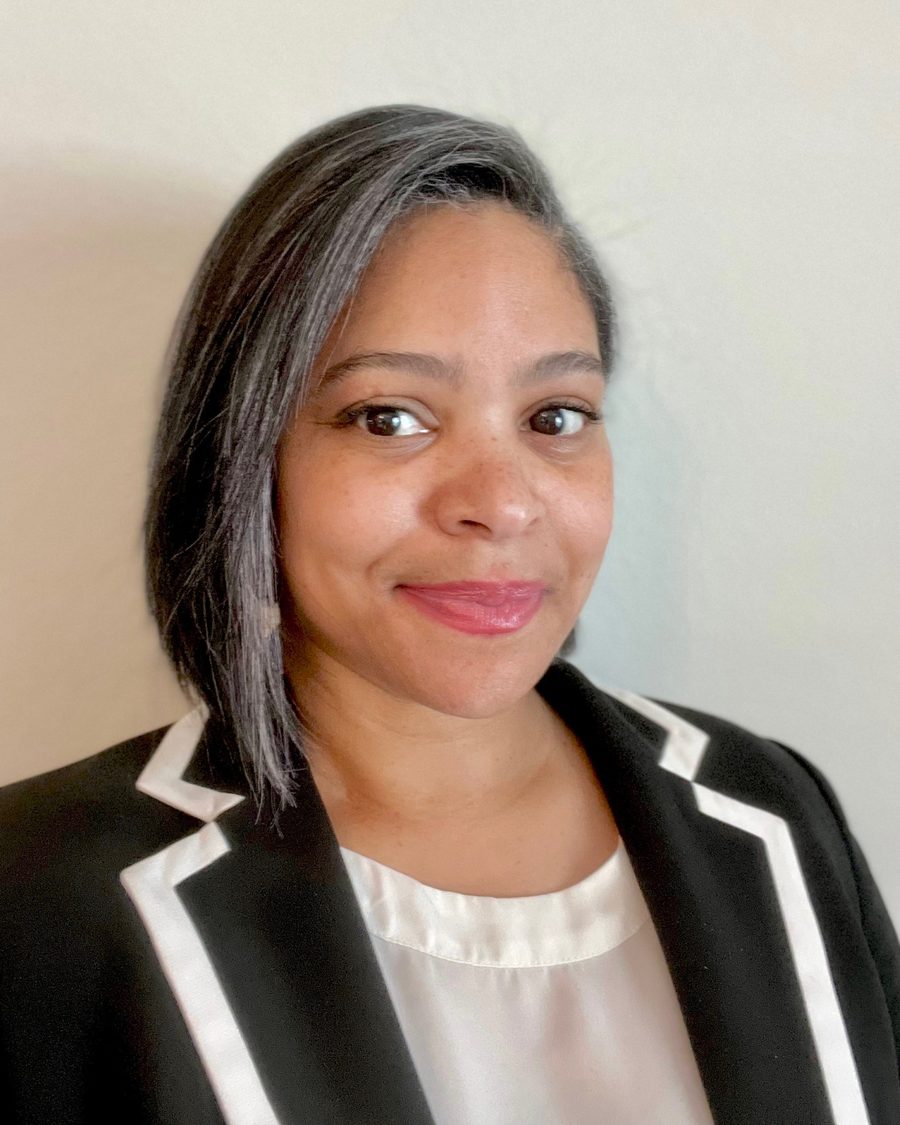






These are only some of the faculty teaching the program. See the full faculty
The facts, unadorned
Regular price without aid: 12,508 USD
The questions a website can't answer.
Thirty minutes with an admissions advisor, no obligation, with a real person. You leave with your exact figure with financial aid applied, the cohort calendar and an honest answer on whether the program fits you.
One of our admissions advisors will contact you shortly. If you don't see our email within a few minutes, please check your spam folder.