
Florida-licensed · CIE #9097 · verify
Master of Science in Behavioral Cybersecurity & Cybercriminology
Move from technical specialist to human-risk strategist.
You already understand the tools. This U.S. graduate program adds the behavioral layer behind phishing, social engineering, insider risk and cybercrime, so you can explain why attacks work and lead defenses people can actually follow.
- Lead the human side of cyber risk instead of only managing technical controls.
- Build a behavioral method for phishing, social engineering, victimology and incident response.
- Use real cyberattack and manipulation cases to brief teams, executives and risk committees.
30 minutes · personalized guidance · always a real person
Graduate education can change how the market reads your experience.
National averages. Source: U.S. Bureau of Labor Statistics, "Education pays, 2024" (weekly medians shown here as monthly). Earnings vary by field, location and experience. Evidentia University does not guarantee salary increases, promotions or employment.
Advance in the master around your work and family.
Keep leading your team, maintain your income and study when your calendar opens.
Your investment
See the investment your master's requires.
The total program investment is $12,508. Income-based institutional aid can reduce it to $5,776. You can also spread it over 12 monthly payments at 0% interest.
Monthly payments · 0% interest · Institutional aid
Receive a personalized estimate before you apply.
From $5,776 With the maximum institutional aid.
12 monthly payments At 0% interest. With maximum aid, $468 per month plus a $160 initial enrollment fee.
Additional protection The Student Protection Plan can temporarily pause payments after a job loss.
Technology can block signals. Behavior explains intent.
Traditional cybersecurity reacts to incidents after the breach. Behavioral cybersecurity adds the missing layer: attacker motivation, victim vulnerability, decision-making under pressure and the organizational habits that make social engineering possible.
The old way
Digital walls only
Invest in tools, react after incidents and assume employees will follow policies under pressure.
The new way
Lead the human firewall
Use behavioral profiling, decision science and cybercriminology to anticipate manipulation before it becomes an incident.
- 1Profile the attacker's mind. Profile motives, opportunity structures and behavioral patterns behind social engineering, cybercrime and digital manipulation.
- 2Reduce the organizational blind spot. Design human firewall policies, nudges and training strategies that recognize cognitive bias, trust, fatigue and real workplace behavior.
- 3Lead the strategic layer. Translate behavioral intelligence into incident response, prevention frameworks, executive briefings and risk decisions.
Faculty who understand behavior, cybercrime and risk.
The program is taught by faculty with experience in criminal behavior analysis, cybersecurity, behavioral economics, criminology and university leadership. The emphasis is applied, case-based and professional.

Retired U.S. Air Force intelligence officer; DBA and graduate of Air War College
Strategic intelligence, adversarial behavior and decision-making under uncertainty.

PhD from the University of Ottawa; researcher in blockchain and decentralized finance, and evaluator for the European Commission
Blockchain, decentralized finance and international governance.
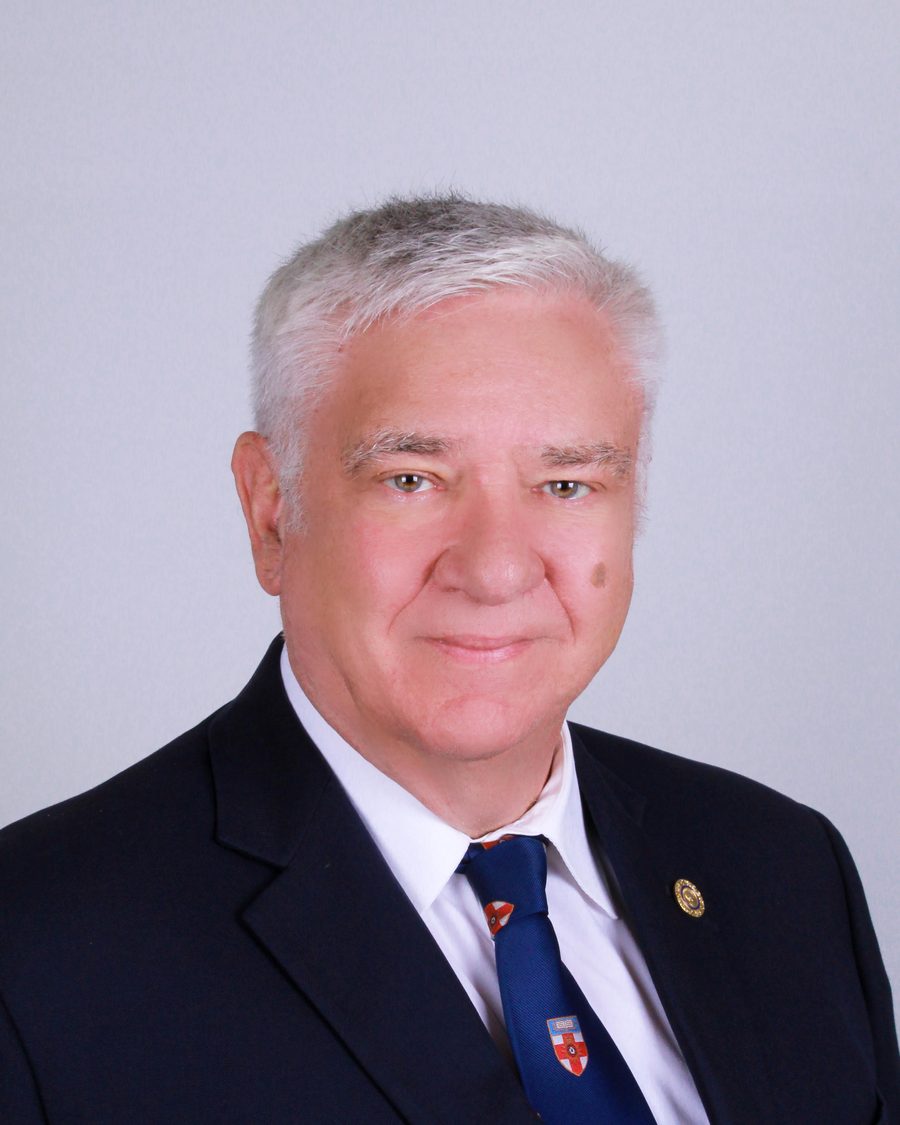
Fulbright Specialist (U.S. Department of State); based in Tampa, Florida
Organizational leadership, public-sector strategy and applied research.

Chief Academic Officer at higher-education institutions across the USA
Strategic management, economics and business analytics.

Executive coach and consultant for leaders across the United States, DBA
Executive leadership, enterprise transformation and strategic execution.
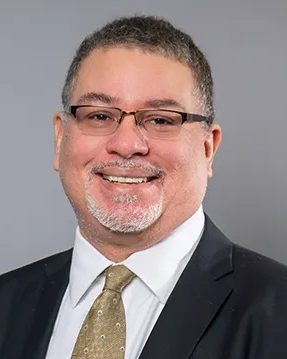
Professor of Data Science and Data Governance, DBA; Webster University
Data science, data governance and analytics leadership.

Marketing educator, DBA; Alabama A&M University
Marketing strategy, consumer behavior and higher education.

Professor of Marketing, DBA; Alabama A&M University
Marketing, advertising leadership and nonprofit management.

Doctor of Management; has taught across 23 U.S. universities
Organizational management, leadership development and higher education.
Commander, European law enforcement
Criminal behavior analysis, investigative psychology and cybercrime research.

Cyber Intelligence Specialist
Behavioral cybersecurity, cybercriminology and open-source intelligence.

Psychologist and profiling expert
Nonverbal behavior, indirect personality profiling and behavioral indicators.
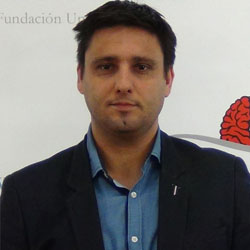
Director, School of Crime Science
Criminal psychology, profiling and behavioral investigative methods.
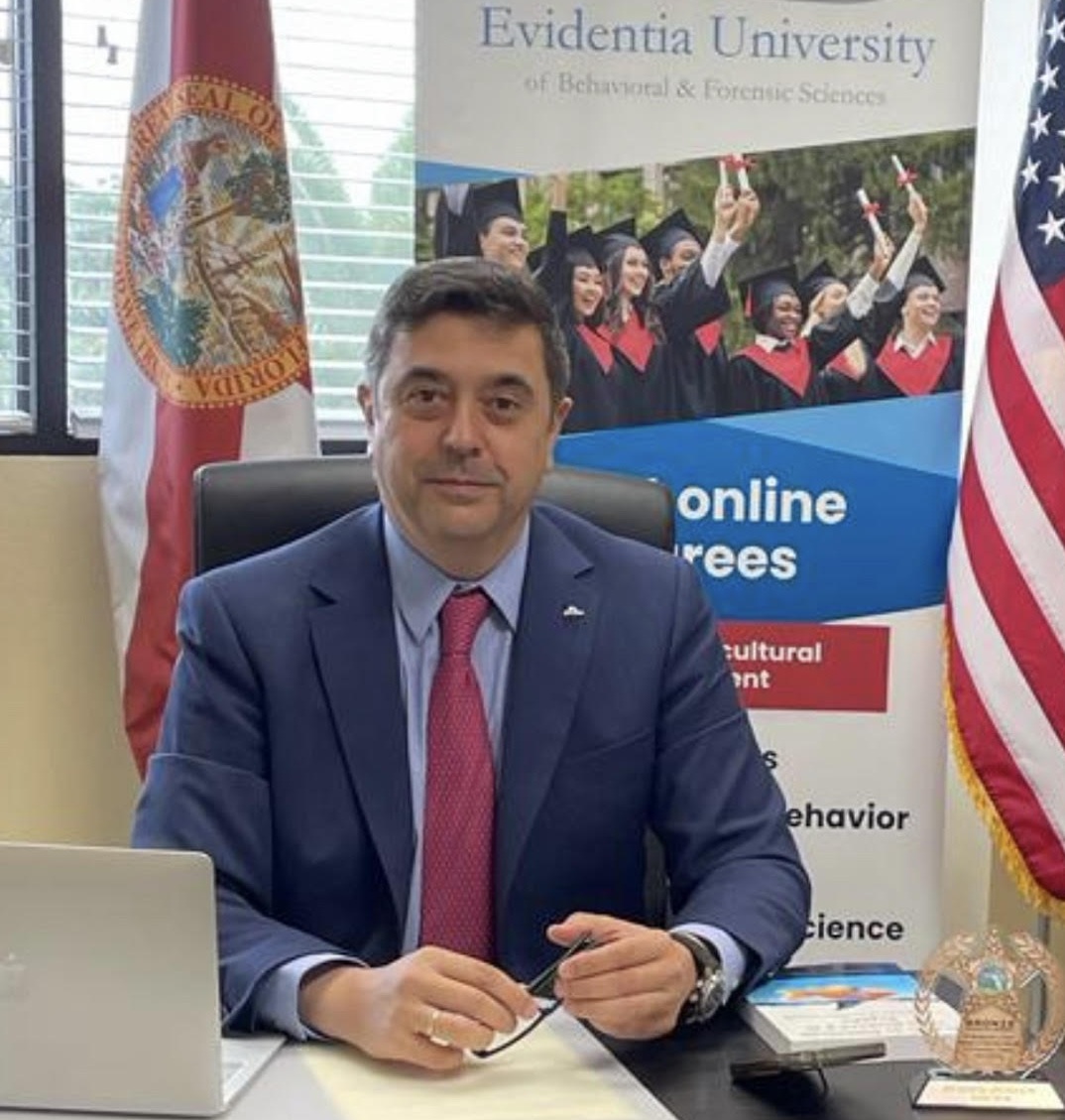
Founder of Evidentia University · Ph.D. in Psychology and Economics
Behavioral sciences, economic psychology and university leadership.

Consultant and analyst
Coaching, emotional intelligence and deception detection.
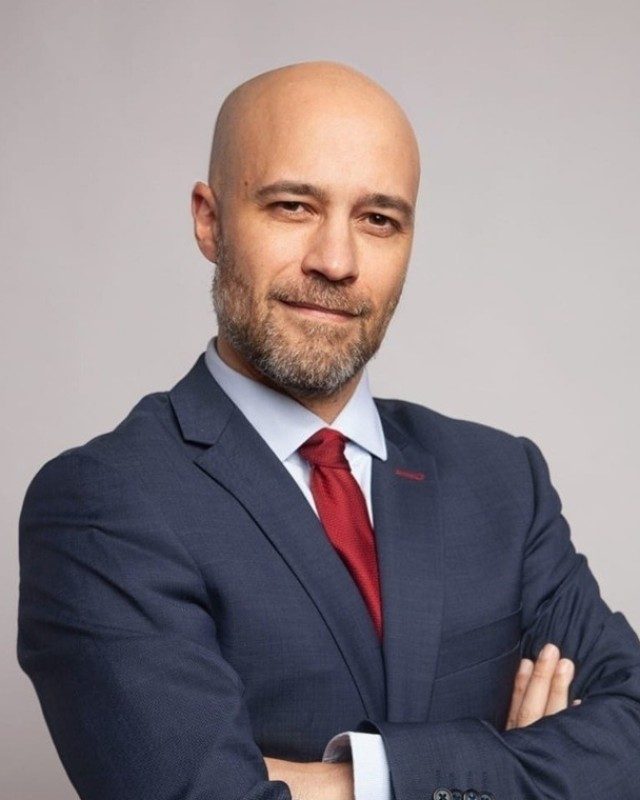
Criminologist; CISO & CTO
Cyberintelligence, OSINT and AI applied to behavior.
Director, Institute for Anti-Fraud Behavioral Analysis
Fraud behavior, behavioral red flags and expert analysis methodology.

PhD, University of Wisconsin–Madison
Organizational behavior, risk-related decisions and behavioral economics.
For professionals who already know risk is human.
The program connects security, investigation, criminology, psychology and organizational risk through a practical behavioral method.
For analysts and technical specialists who know the tools and now need to understand why attacks work at the level of psychology, trust and decision-making.
For professionals who want to apply profiling, victimology and behavioral analysis to cybercrime investigation and digital threat contexts.
For leaders who need to strengthen culture, reduce human risk and build a prevention strategy that people can actually maintain.
Why professionals choose Evidentia University.
"An approachable, professional, and experienced faculty. The academic environment motivated me to delve deeper like never before." read more
Uladislao Dobroski, General Manager, Emotions Labs
"A unique opportunity to learn with real cases and a high-level academic structure. Personalized and flexible pace."
Armenio Perez, PhD, Ecuador"We apply theory to the day-to-day. The research tools changed my worldview. It's a transformative master's."
Alejandro Zapata, Financial Advisor, BancolombiaTestimonials reflect personal academic experiences, not guarantees of employment or salary. Outcomes are not a guarantee of employment.
Some of the organizations our professionals come from




The logos shown correspond to organizations where some of our students currently work or have previously worked. Their inclusion does not imply institutional collaboration, sponsorship, or endorsement by those entities.
From cybercriminal profiling to crisis response.
From cybercriminal profiling and cognitive bias to crisis response and applied social engineering cases, discover why this master covers the behavioral cybersecurity skills companies need when technology alone is not enough.
A simple, online process with personal guidance from start to finish.
Your admissions counselor helps you answer questions, review your documents and complete each step.
Talk with admissions
Tell us about your background and goals. We will review program fit, investment and available options with you.
Complete your application online
Submit the required information digitally. Your counselor is available to help throughout the process.
Complete your enrollment
Once admitted, you receive guidance to complete enrollment and prepare for the next cohort.




Admission and enrollment are 100% online. You have one point of contact from the first conversation through the start of your master.
Review requirements, investment and timing with admissions.
A 30-minute conversation to review your case and prepare the online process.
Review my case with admissionsNext cohort: January 4, 2027 · personalized guidance · always a real person
Institutional Information & Important Disclaimers
Evidentia University operates with transparency and adherence to educational standards. We want you to have clear information as you consider your investment in education.
Our Commitment to You:
- Licensure: Evidentia University is licensed by the Florida Department of Education, CIE, License #9097, verify with the Commission. Additional information can be obtained by contacting the Commission.
- Non-Discrimination: We are committed to equal educational opportunities and do not discriminate based on age, race, color, national origin, sex, or disability.
- Student Privacy (FERPA): We adhere to the Family Educational Rights and Privacy Act (FERPA), protecting the confidentiality of your educational records.
- Grievance Procedure: We have established procedures for addressing student concerns or complaints formally.
Important Program Notes:
- No Professional Licensing: Please be aware that this Master of Science degree program does NOT qualify the student for any professional state licensing, such as psychologist or licensed investigator.
- No Job/Salary Guarantee: Evidentia University does not make any guarantees of graduate employment or salary upon graduation. Career outcomes depend on individual effort, experience, and external market factors.
- Local Requirements: It is the student's responsibility to research and understand any specific local, state, or national requirements related to employment in their desired field or location.