
Florida-licensed · CIE #9097 · verify
Master of Science in Psychology of Negotiation
Negotiation is not instinct. It is a behavioral system.
This U.S. graduate program trains you to read the person, map the context and design the strategy before the conversation decides the outcome.
- Persuasion, influence, conflict resolution, credibility assessment and indirect personality profiling in one applied degree.
- Built for leaders, legal and compliance professionals, security teams, public-sector negotiators and business decision-makers.
- Real negotiation cases, simulations and behavioral frameworks focused on high-stakes conversations.
30 minutes · personalized guidance · always a real person
Already negotiating every week? Make the method visible.
National averages. Source: U.S. Bureau of Labor Statistics, "Education pays, 2024" (weekly medians shown here as monthly). Earnings vary by field, location and experience. Evidentia University does not guarantee salary increases, promotions or employment.
Keep your role. Add a negotiation method you can use immediately.
Study around leadership meetings, client calls, legal deadlines, travel and family responsibilities. Then bring the method back to the conversations you already handle.
Your investment
See the investment your master's requires.
The total program investment is $12,508. Income-based institutional aid can reduce it to $5,776. You can also spread it over 12 monthly payments at 0% interest.
Monthly payments · 0% interest · Institutional aid
Receive a personalized estimate before you apply.
From $5,776 With the maximum institutional aid.
12 monthly payments At 0% interest. With maximum aid, $468 per month plus a $160 initial enrollment fee.
Additional protection The Student Protection Plan can temporarily pause payments after a job loss.
From reacting in the room to preparing the room.
Negotiation improves when you stop treating the meeting as the starting point and begin with diagnosis, bias mapping and behavioral strategy.
The old way
Technique without diagnosis
Scripts, tactics and confidence are treated as the strategy, while the other party's biases, incentives and hidden constraints remain unmapped.
The new way
Behavioral negotiation intelligence
Profile the person, analyze the context, anticipate resistance and select the communication strategy that fits the actual room.
- 1Map bias as strategy. Use framing, loss aversion, anchors and identity signals to understand what each side accepts, resists or misunderstands.
- 2Assess credibility under pressure. Apply behavioral and statement-analysis tools to evaluate consistency, pressure points and risk signals during complex conversations.
- 3Profile before the meeting. Prepare for the person you will face, not only the issue on the agenda, with indirect personality profiling and scenario planning.
Faculty who understand behavior, strategy and conflict.
The program is taught by faculty with experience in behavioral psychology, negotiation, strategy, law-enforcement analysis, organizational behavior and university leadership. The emphasis is applied, case-based and professional.

Graduate work in comparative politics at Louisiana State University and political psychology at The Ohio State University
Political behavior, governance and decision-making in international environments.

Professor of Marketing, DBA; Alabama A&M University
Marketing, advertising leadership and nonprofit management.

Executive coach and consultant for leaders across the United States, DBA
Executive leadership, enterprise transformation and strategic execution.
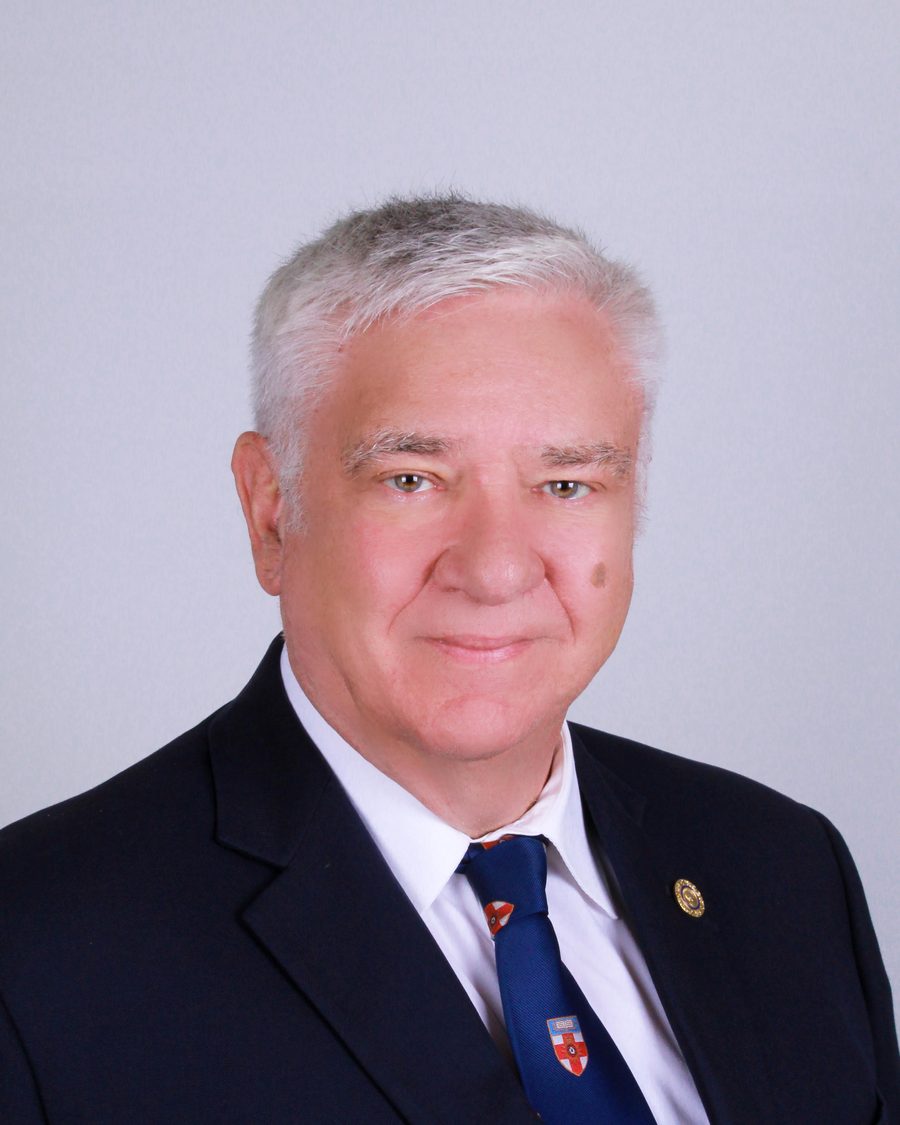
Fulbright Specialist (U.S. Department of State); based in Tampa, Florida
Organizational leadership, public-sector strategy and applied research.
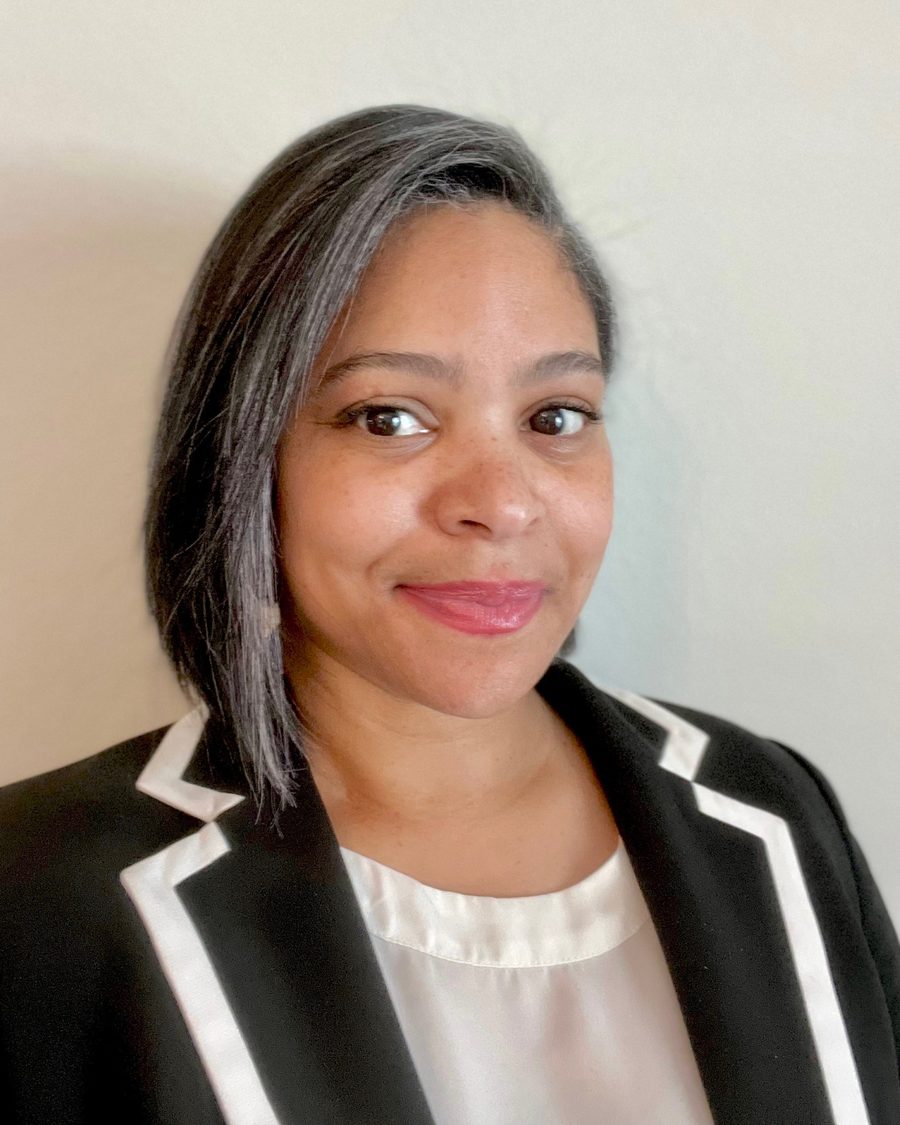
Dean of Student Experience, DBA (Florida International University)
Higher-education administration and international operations.
Professor of Data Science and Data Governance, DBA; Webster University
Data science, data governance and analytics leadership.
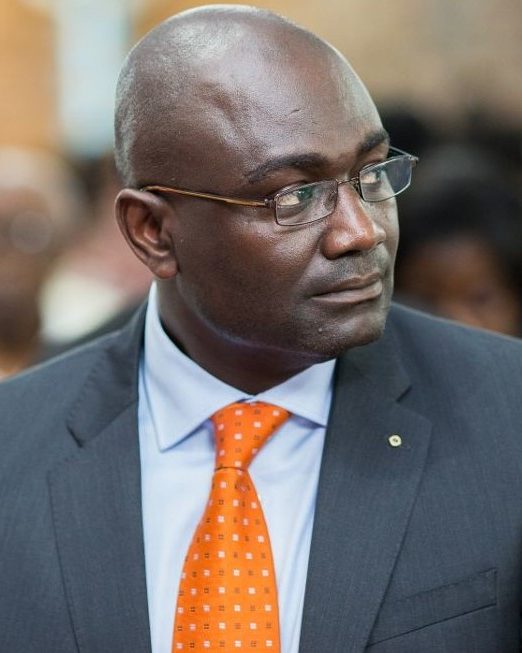
Former senior finance executive at Bank of America, Verizon and the European Central Bank; MBA, City University of Seattle
Corporate finance, international economics and enterprise risk management.

Founder and executive producer of LAB Theater Project, Tampa Bay, Florida
Interpersonal communication, persuasion and nonverbal behavior.

Founder of EdgeTech Global; decision scientist building AI-powered decision support systems
Behavioral economics, decision science and applied artificial intelligence.
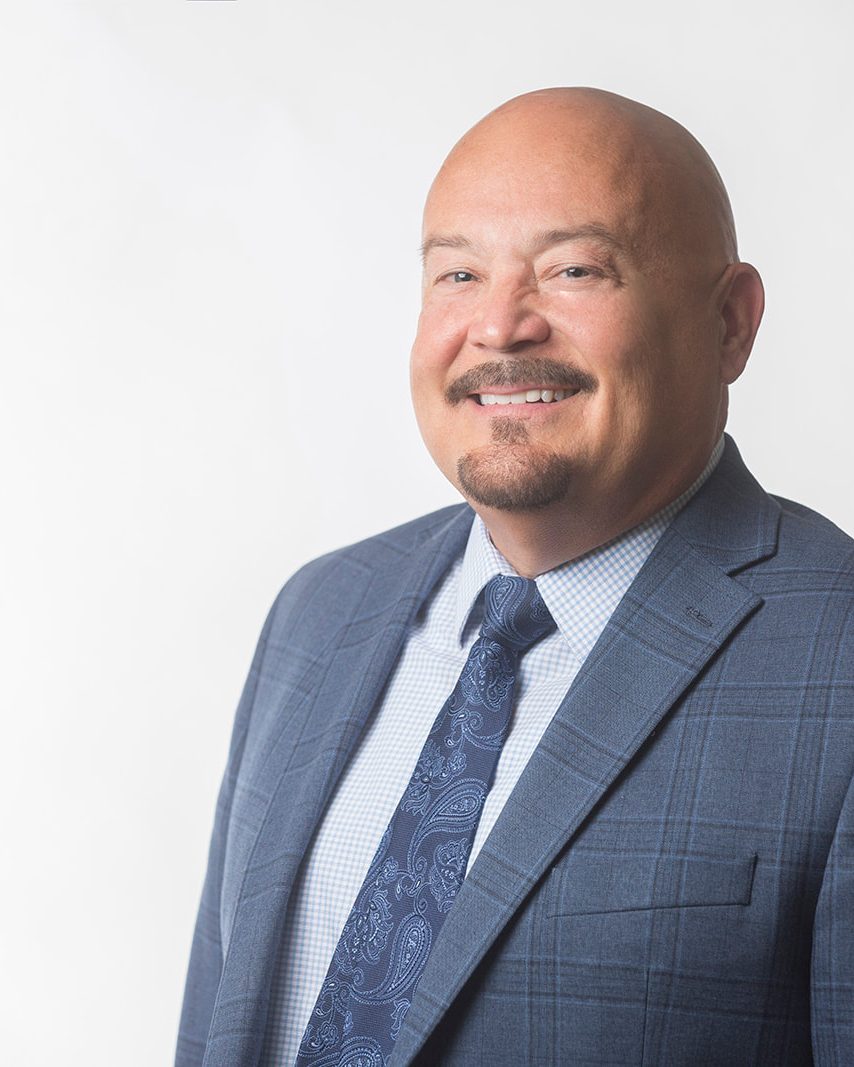
Scholar of leadership and organizational behavior; doctorate from West Virginia University and degrees from The George Washington University, Radford University and Marshall University
Leadership, organizational behavior and change management.

Retired U.S. Air Force intelligence officer; DBA and graduate of Air War College
Strategic intelligence, adversarial behavior and decision-making under uncertainty.

Psychologist and profiling expert
Personality profiling, negotiation and nonverbal behavior.
Director, School of Crime Science
Criminal psychology, profiling and behavioral investigative methods.

Commander, European law enforcement
Forensic psychology, criminal behavior analysis and high-stakes decision contexts.
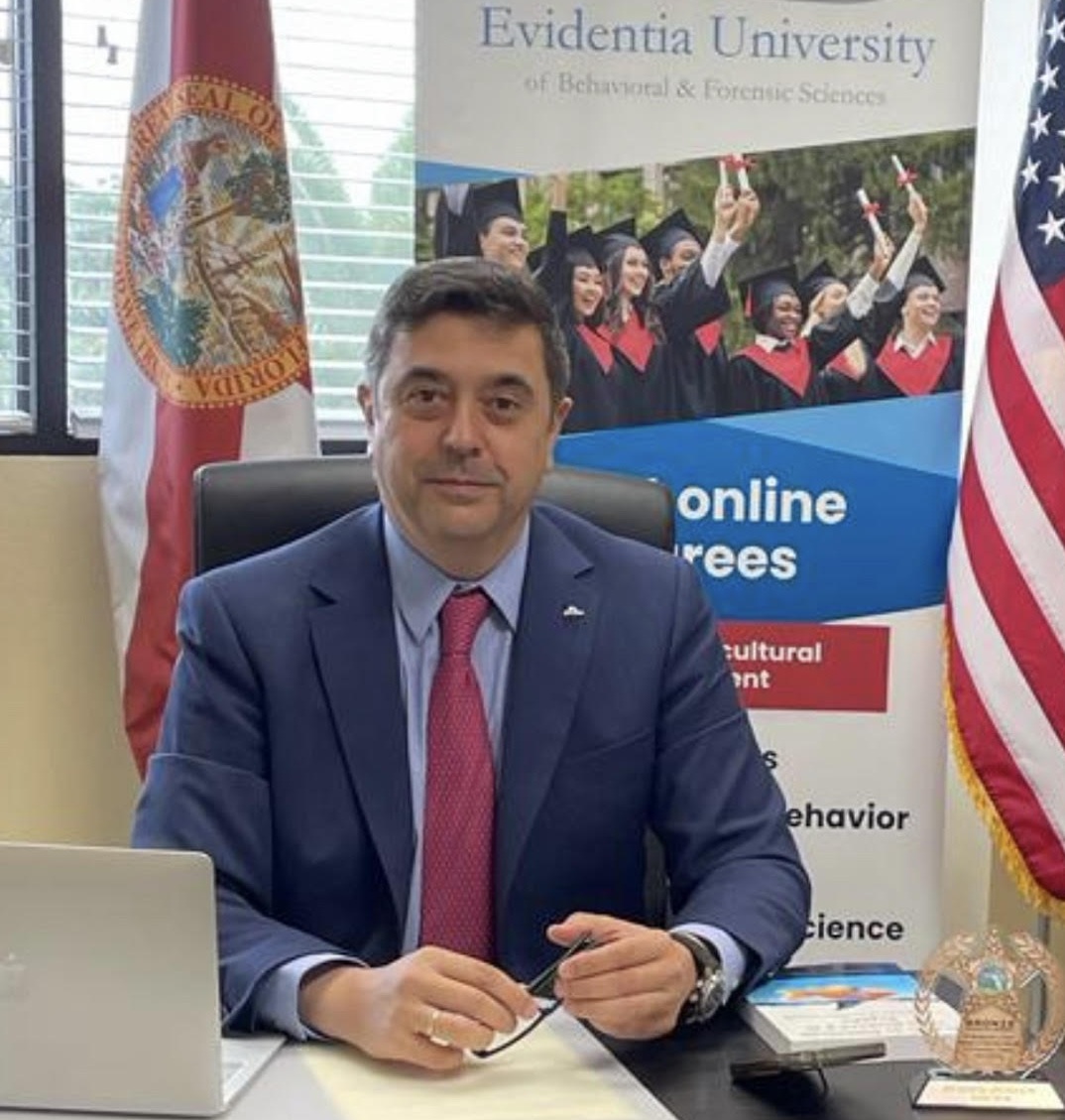
Founder of Evidentia University · Ph.D. in Psychology and Economics
Behavioral sciences, economic psychology and university leadership.

Consultant and analyst
Coaching, emotional intelligence and deception detection.
Director, Institute for Anti-Fraud Behavioral Analysis
Fraud behavior, behavioral red flags and expert analysis methodology.
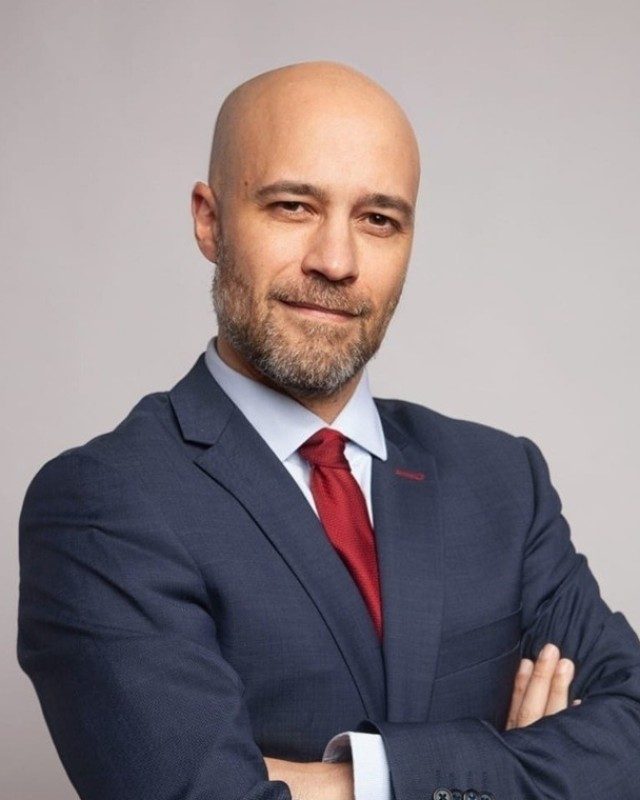
Criminologist; CISO & CTO
Cyberintelligence, OSINT and AI applied to behavior.
Negotiation is already part of your work.
This master is for professionals who manage resources, conflict, trust and risk and want a stronger method for making decisions under pressure.
For professionals who negotiate resources, priorities, partnerships, talent, budgets and strategic decisions inside complex organizations.
For practitioners who need to resolve conflict, read credibility, handle pressure and manage conversations with high institutional consequences.
For roles where persuasion, relationship preservation, stakeholder mapping and trust-building determine whether the outcome is sustainable.
Why professionals choose Evidentia University.
"The content and professors have been key. It transformed me professionally and personally. Highly recommended!" read more
Amparo Crespo, Senior Consultant, CBRE
"It is demanding but flexible, challenging but rewarding. Studying at Evidentia has been one of my best decisions."
Mauricio Correa, Global Director, Citi"A profound academic experience. I'm taking with me real tools, new perspectives, and an incredible community."
Paulina Gaviria, Project Executive, BancolombiaTestimonials reflect personal academic experiences, not guarantees of employment or salary. Outcomes are not a guarantee of employment.
Some of the organizations our professionals come from


The logos shown correspond to organizations where some of our students currently work or have previously worked. Their inclusion does not imply institutional collaboration, sponsorship, or endorsement by those entities.
From bias and credibility to negotiation intelligence, practice and persuasion.
Discover how this master covers the behavioral layer professionals need to prepare conversations, read resistance, influence ethically and become the negotiation strategist organizations need when pressure rises.
A simple, online process with personal guidance from start to finish.
Your admissions counselor helps you answer questions, review your documents and complete each step.
Talk with admissions
Tell us about your background and goals. We will review program fit, investment and available options with you.
Complete your application online
Submit the required information digitally. Your counselor is available to help throughout the process.
Complete your enrollment
Once admitted, you receive guidance to complete enrollment and prepare for the next cohort.




Admission and enrollment are 100% online. You have one point of contact from the first conversation through the start of your master.
Review requirements, investment and timing with admissions.
A 30-minute conversation to review your case and prepare the online process.
Review my case with admissionsNext cohort: January 4, 2027 · personalized guidance · always a real person
Institutional Information & Important Disclaimers
Evidentia University operates with transparency and adherence to educational standards. We want you to have clear information as you consider your investment in education.
Our Commitment to You:
- Licensure: Evidentia University is licensed by the Florida Department of Education, CIE, License #9097, verify with the Commission. Additional information can be obtained by contacting the Commission.
- Non-Discrimination: We are committed to equal educational opportunities and do not discriminate based on age, race, color, national origin, sex, or disability.
- Student Privacy (FERPA): We adhere to the Family Educational Rights and Privacy Act (FERPA), protecting the confidentiality of your educational records.
- Grievance Procedure: We have established procedures for addressing student concerns or complaints formally.
Important Program Notes:
- No Professional Licensing: Please be aware that this Master of Science degree program does NOT qualify the student for any professional state licensing, such as psychologist or licensed investigator.
- No Job/Salary Guarantee: Evidentia University does not make any guarantees of graduate employment or salary upon graduation. Career outcomes depend on individual effort, experience, and external market factors.
- Local Requirements: It is the student's responsibility to research and understand any specific local, state, or national requirements related to employment in their desired field or location.