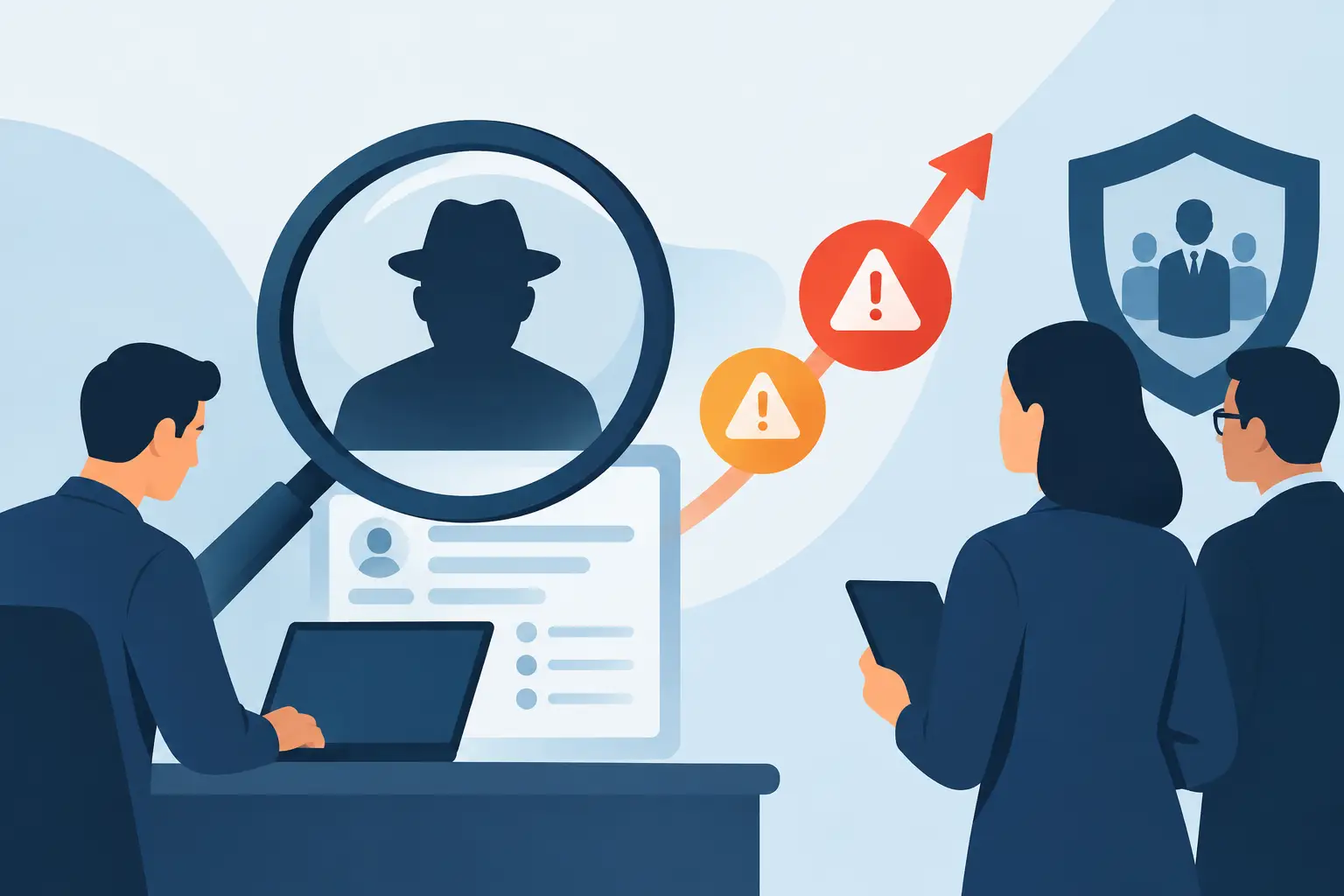
A suspicious invoice, a manipulated expense report, or an unexplained access request does not automatically justify a formal investigation. Yet waiting for perfect proof can allow losses to grow, evidence to disappear, and misconduct to become normalized. The central question is not simply when should fraud investigations escalate, but what level of response is proportionate to the risk, evidence, and potential harm.
For professionals in compliance, security, finance, human resources, and law enforcement, escalation is a judgment call that demands both discipline and restraint. A premature accusation can damage reputations and compromise due process. A delayed response can expose an organization to financial loss, regulatory scrutiny, and a serious breach of trust. Effective investigators know how to distinguish an anomaly worth monitoring from a matter that requires independent, structured action.
When Should Fraud Investigations Escalate?
A fraud inquiry should escalate when the available facts indicate that the issue may be intentional, material, recurring, or connected to a broader control failure. Escalation does not always mean involving police or filing a criminal complaint. It may mean moving from an informal manager review to a protected internal investigation, assigning a qualified investigator, preserving digital records, or notifying legal counsel and senior governance leaders.
The decision should be based on evidence and risk rather than instinct alone. One isolated discrepancy may result from error, poor training, or an outdated process. But inconsistencies become more concerning when they form a pattern, when a person benefits from the irregularity, or when someone attempts to conceal, alter, or explain away relevant records.
Materiality matters, but it is not limited to the dollar amount. A small fraudulent transaction may reveal a larger scheme, an insider threat, or a vulnerability affecting many customers or employees. In a regulated organization, even limited misconduct may trigger reporting duties or raise questions about leadership oversight.
Signs that demand a higher level of review
Certain indicators call for a timely escalation because delay can undermine the investigation itself. These include evidence that records have been deleted or altered, attempts to influence witnesses, unusual access to financial or customer data, retaliation against a reporting employee, or transactions involving related parties and undisclosed conflicts of interest.
Escalation is also warranted where allegations involve senior leaders, finance personnel with authority over approvals, system administrators, or anyone positioned to interfere with the inquiry. Independence is essential in these cases. The person reviewing the allegation should not report to, depend on, or have a personal relationship with the subject of the investigation.
Repeated policy exceptions deserve attention as well. Fraud rarely begins with a dramatic event. It often develops through rationalized shortcuts: an approval bypassed because a deadline was tight, an expense description made vague because the documentation was inconvenient, or a vendor selected without adequate screening. Viewed individually, these actions can seem minor. Viewed together, they may show intent, opportunity, and a weakening ethical culture.
Use a proportionate escalation framework
A sound response framework helps organizations act consistently under pressure. Before escalating, document the allegation, its source, the known facts, and the immediate risks. Separate what is observed from what is assumed. “Three invoices share sequential numbering and identical descriptions” is an observation. “The vendor is fictitious” is a hypothesis requiring verification.
Next, assess the credibility and specificity of the information. A detailed report supported by dates, documents, transaction identifiers, or firsthand observations generally justifies faster action than a vague allegation. Anonymous reports should not be dismissed solely because the reporter is unknown, but they do require careful corroboration.
Then consider potential exposure. Ask whether the matter could involve ongoing loss, sensitive personal information, public funds, sanctions concerns, procurement integrity, financial reporting, or vulnerable individuals. The more severe the potential impact, the less appropriate it is to leave the review with a single department or manager.
A useful escalation decision weighs four connected questions:
- Is there a credible indication of deliberate deception or personal benefit?
- Could the conduct be continuing, expanding, or affecting others?
- Is evidence at risk of deletion, alteration, or unauthorized disclosure?
- Does the allegation create legal, regulatory, safety, or reputational exposure?
When several answers are yes, a formal investigation is usually the responsible next step. If the answers remain uncertain, a narrowly scoped fact-finding review may be appropriate. The purpose is not to avoid escalation indefinitely. It is to gather enough reliable information to choose the right level of intervention.
Preserve evidence before the situation changes
The first hours after an allegation can determine whether an investigation succeeds. Digital evidence is particularly fragile. Email rules can be changed, chat messages can expire, cloud files can be overwritten, and access logs may have limited retention periods. A person who learns they are under scrutiny may not destroy evidence, but investigators should never depend on that assumption.
Preservation should be lawful, targeted, and documented. Relevant records may include financial transactions, approval histories, access logs, communications, vendor documentation, device data, and physical security records. Organizations should establish who has authority to issue preservation instructions and how data will be collected without changing the original source.
Chain of custody is not merely a courtroom concept. It is a record of how evidence was identified, acquired, stored, accessed, and analyzed. Clear documentation protects the integrity of findings and helps an organization explain its decisions to auditors, regulators, insurers, counsel, or internal stakeholders.
At the same time, evidence preservation must respect privacy, employment law, contractual obligations, and cross-border data rules. An international organization may need different procedures when records or subjects are located in multiple jurisdictions. For this reason, complex matters often benefit from early legal guidance and forensic expertise.
Protect fairness, confidentiality, and investigative independence
Escalation should never become a shortcut to judgment. An allegation is not a finding, and an investigator’s role is to test competing explanations with an open, evidence-led mindset. This includes considering whether an apparent irregularity could result from a system error, weak process design, misunderstanding, or unauthorized action by another party.
Confidentiality should be managed carefully. Broad disclosure can alert subjects, encourage gossip, harm innocent employees, and create pressure on witnesses. Yet total secrecy is rarely possible or desirable. Those who need to preserve records, secure systems, make risk decisions, or support a fair investigation need enough information to perform their roles.
Retaliation risk requires particular attention. Employees who report concerns, participate in interviews, or provide records may fear professional consequences. Clear anti-retaliation protections, monitored by leaders who are not implicated in the allegation, strengthen reporting cultures and improve the quality of evidence available to investigators.
The investigator’s independence is equally important. In smaller organizations, it may be practical to use an external specialist when senior personnel are involved or when the matter requires digital forensics, forensic accounting, interviewing expertise, or cross-border coordination. Independence does not guarantee a particular outcome. It ensures that the process is credible enough for the outcome to be trusted.
Know when internal handling is no longer enough
Some matters cannot remain entirely internal. Escalation to legal counsel, insurers, regulators, law enforcement, or external forensic professionals may be necessary where there is substantial loss, suspected criminal conduct, data compromise, regulatory reporting obligations, threats to safety, or a significant public-interest concern.
The right path depends on jurisdiction, industry, contractual commitments, and the organization’s legal duties. Reporting too early can interfere with fact development or expose sensitive information. Reporting too late can breach obligations and make recovery more difficult. Decision-makers should therefore identify reporting thresholds before a crisis occurs, not improvise them after evidence has begun to fade.
For practitioners building expertise in anti-fraud analysis, the deeper lesson is that escalation is not a single event. It is a controlled progression from concern to verification, preservation, independent assessment, and accountable action. Strong investigations protect organizations, but they also protect people from unsupported allegations and poorly reasoned decisions.
The most capable professionals do not wait for certainty before acting. They recognize the moment when a concern has become too consequential for informal handling, then respond with rigor, fairness, and the intellectual discipline to let evidence lead.