Cognitive Threat Interviews and Better Risk Judgments
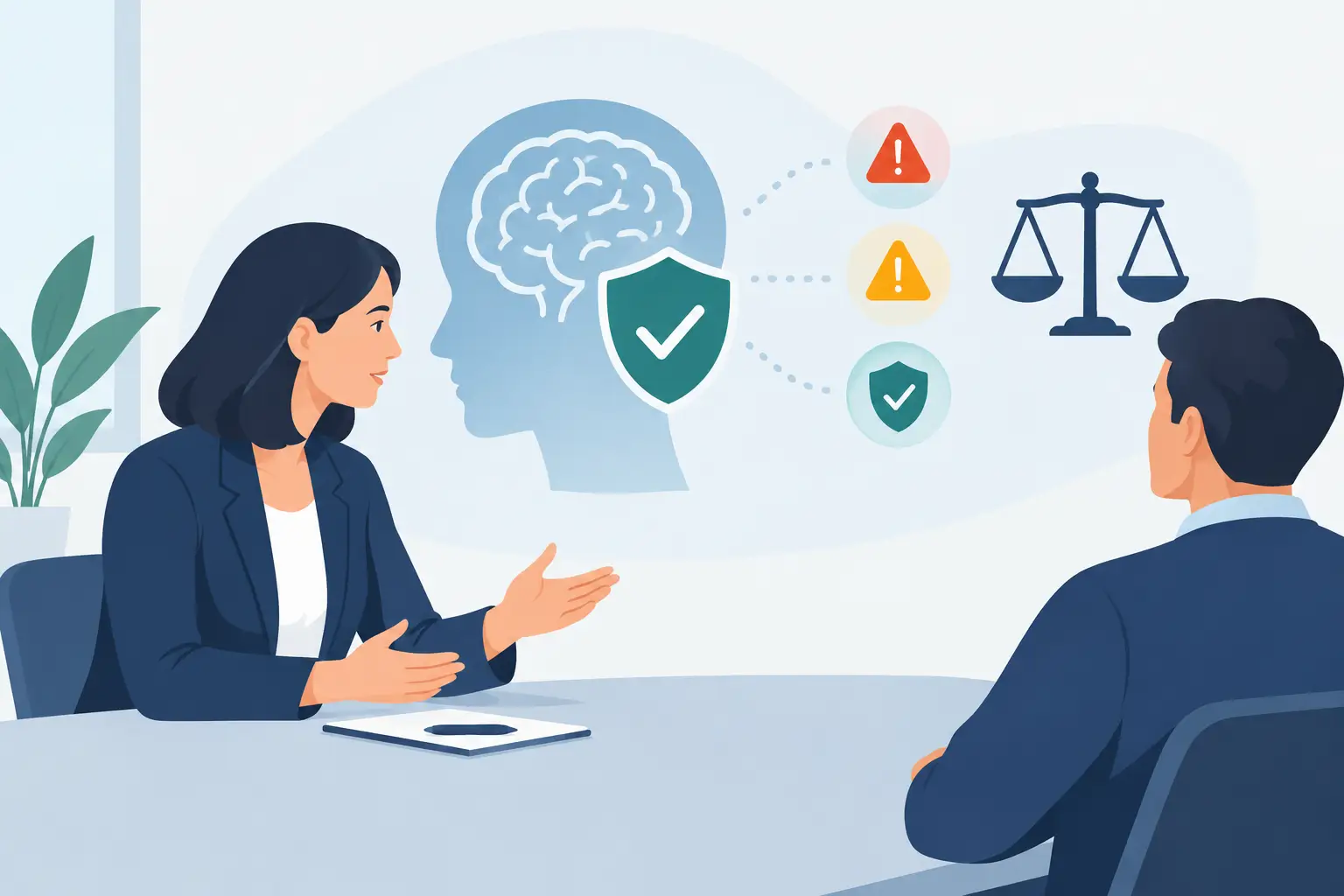
Learn how cognitive threat interviews reveal intent, reduce investigative bias, and improve decisions in security, fraud, and high-stakes complex cases.
Learn how cognitive threat interviews reveal intent, reduce investigative bias, and improve decisions in security, fraud, and high-stakes complex cases.

An evidence based interviewing guide for professionals who need reliable information, ethical practice, and defensible decisions under pressure at work.

Learn how to enter behavioral research through focused training, ethical study design, practical experience, and a career strategy for measurable impact.

Compare top nonverbal communication certificates online by rigor, faculty expertise, and career fit for investigative and behavioral professionals today.

Wondering which degree suits intelligence analysts? Compare relevant majors, graduate paths, and skills that support credible, career-ready analysis.
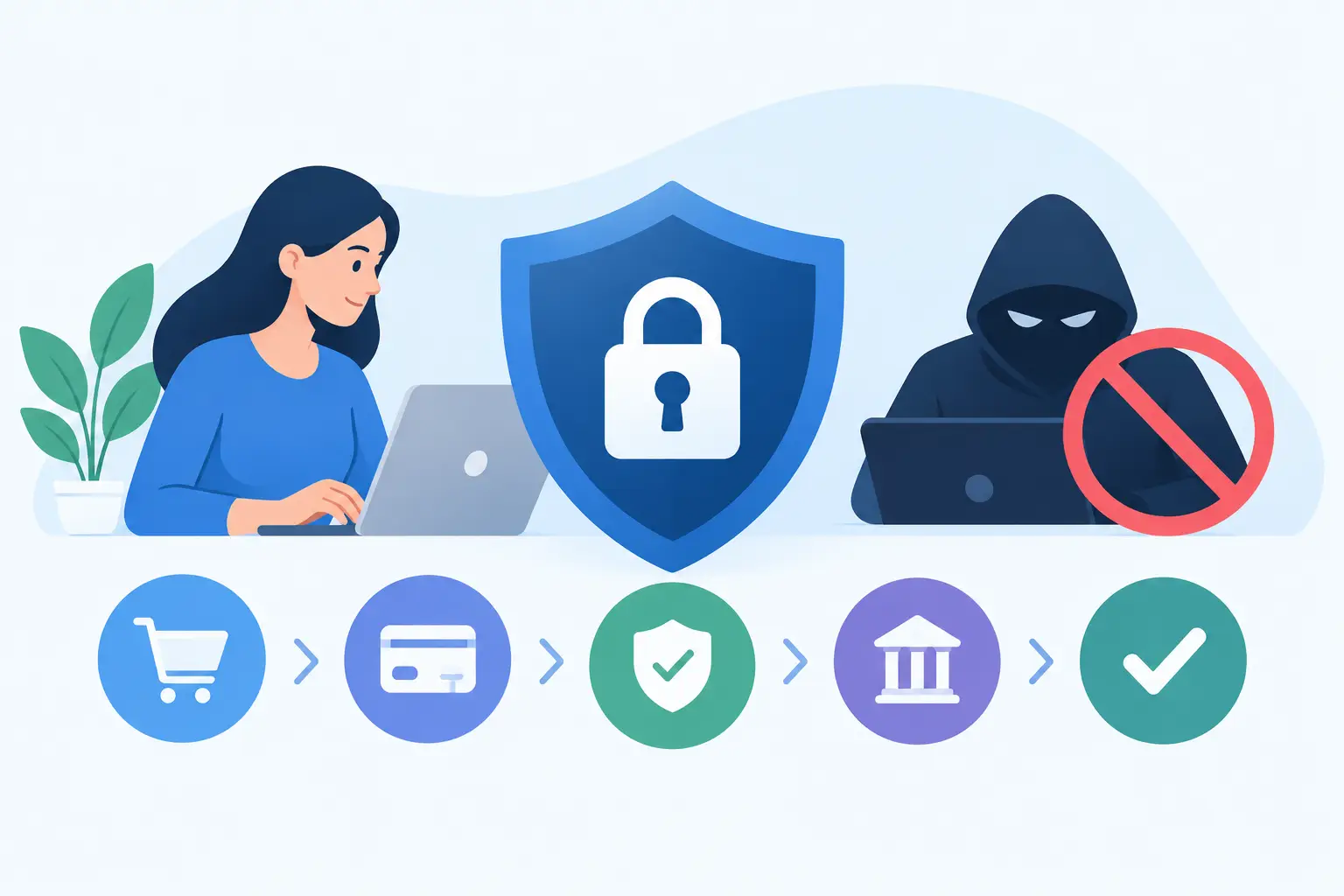
Learn how to prevent payment fraud through layered controls, behavioral insight, and disciplined response practices that protect people, data, and trust globally.
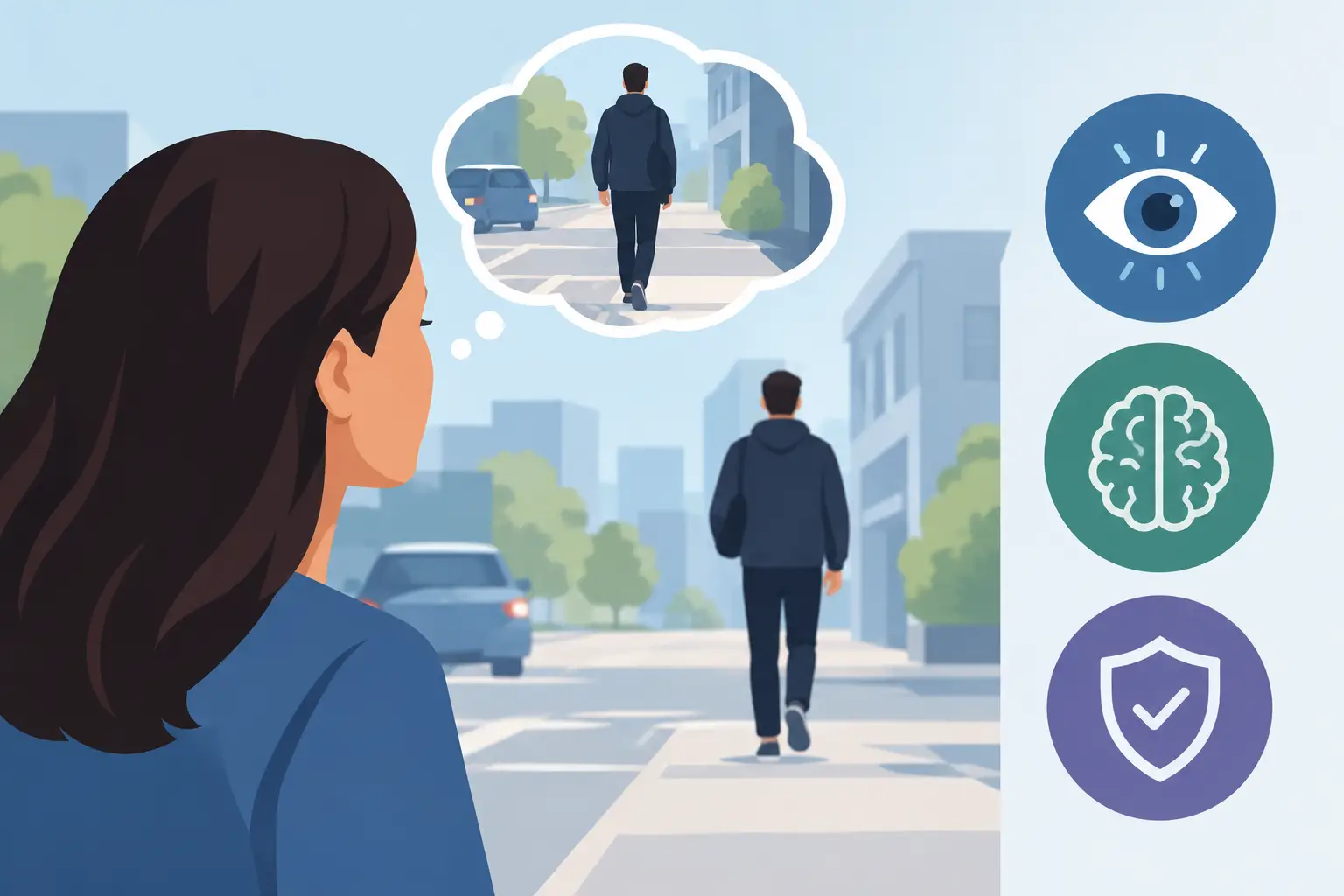
What makes eyewitness testimony reliable? Learn how encoding, identification procedures, confidence, and corroboration shape sound forensic evidence well.

Learn how qualitative versus quantitative research guides evidence-based decisions in forensic, behavioral, and applied professional practice worldwide.
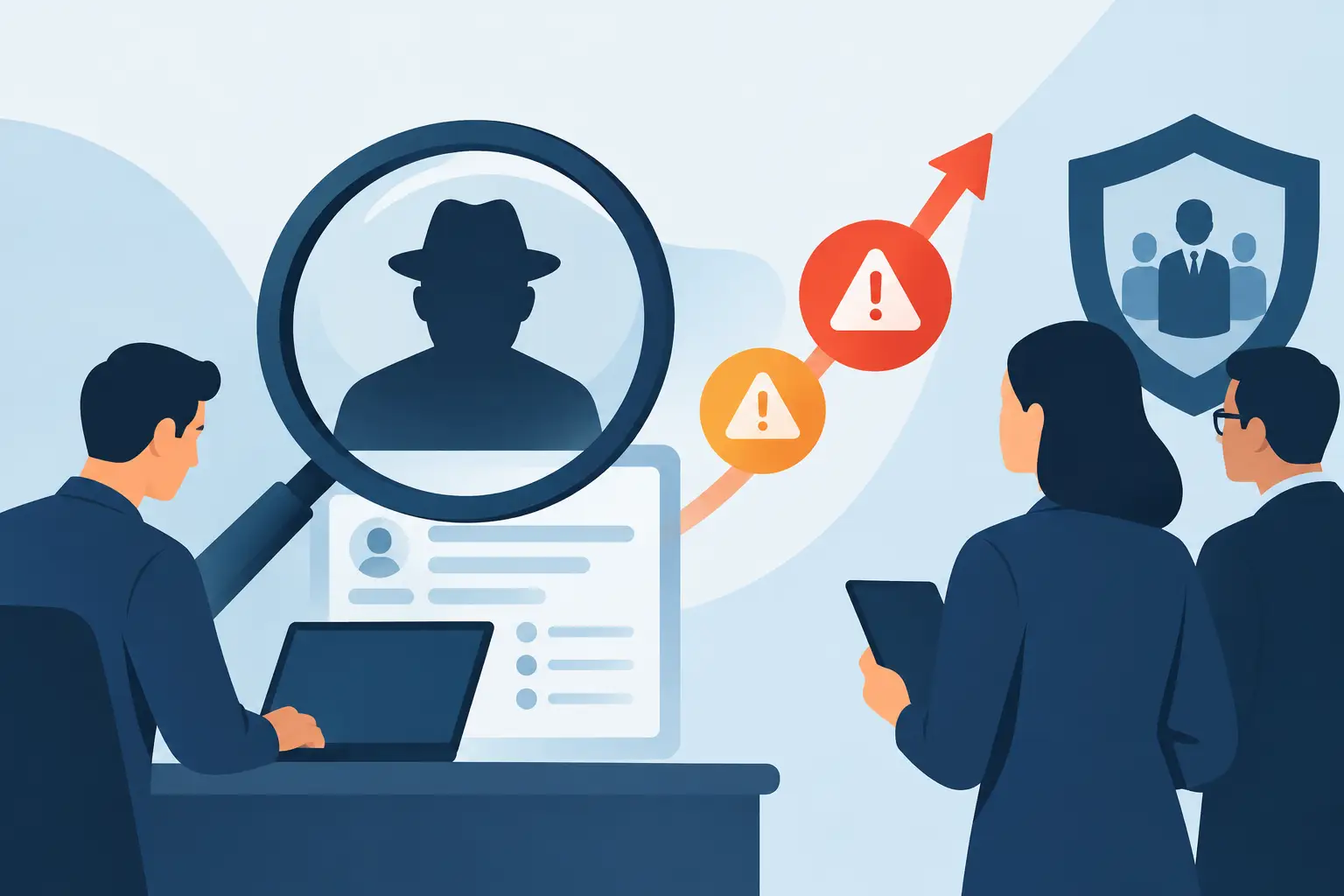
Learn when should fraud investigations escalate, which warning signs demand action now, and how to preserve evidence, protect people, and respond fairly.

Crime prevention innovation connects behavioral insight, ethical technology, and skilled professionals to reduce harm before offenses occur in practice.