Crime Prevention Innovation That Prevents Harm

Crime prevention innovation connects behavioral insight, ethical technology, and skilled professionals to reduce harm before offenses occur in practice.
Crime prevention innovation connects behavioral insight, ethical technology, and skilled professionals to reduce harm before offenses occur in practice.

Learn interview techniques grounded in behavioral science to plan ethical, evidence-led conversations, assess accounts, and improve professional judgment.

Compare the best online forensic linguistics courses by rigor, faculty expertise, legal relevance, and career fit before choosing your next study program.

Can online degrees support promotion? Learn how specialized, accredited study can build credibility, capability, and a stronger case for advancement today.
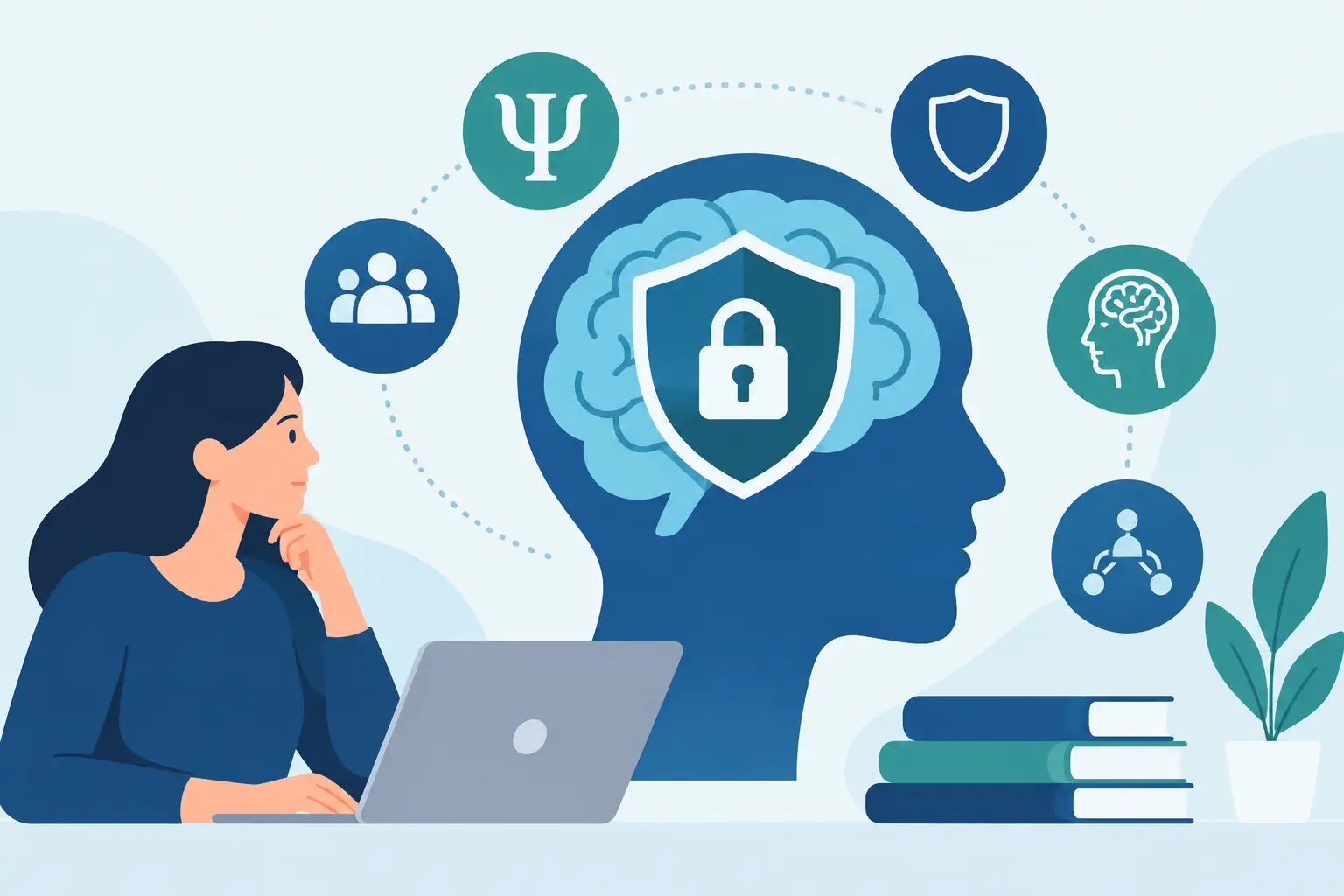
Cybersecurity psychology programs examine the human factors behind cyber risk, preparing professionals to strengthen security, decisions, and resilience.

Learn how forensic linguistics analyzes language as evidence, from authorship and threats to interviews, credibility, and the limits of expert opinion.
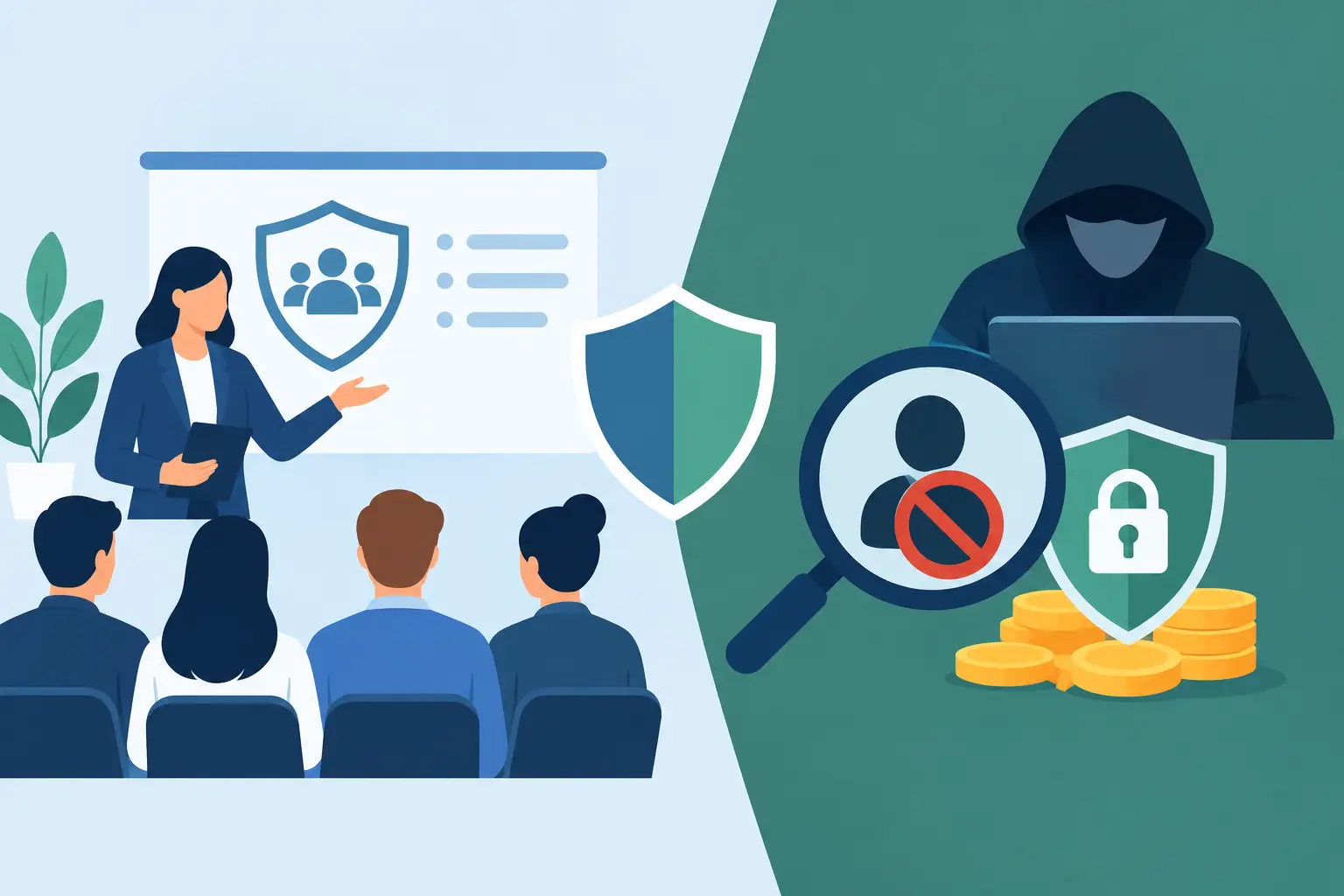
Compliance training versus fraud prevention: learn why policy awareness alone cannot stop misconduct and how behavioral insight strengthens risk control.

Learn how to design behavioral experiments with sound hypotheses, ethical safeguards, practical measures, and evidence that supports confident decisions.

Fraud investigation outcomes depend on evidence, scope, and due process. Learn what findings mean for recovery, discipline, referral, and prevention plans.

Learn how to identify insider threats through behavioral indicators, access patterns, ethical investigation, and cross-functional response planning now.